Best Yarn for Amigurumi: Cotton, Acrylic or Chenille?
The yarn changes how a toy looks, feels and washes. Here is how the main options compare, and what to pick for your first project.
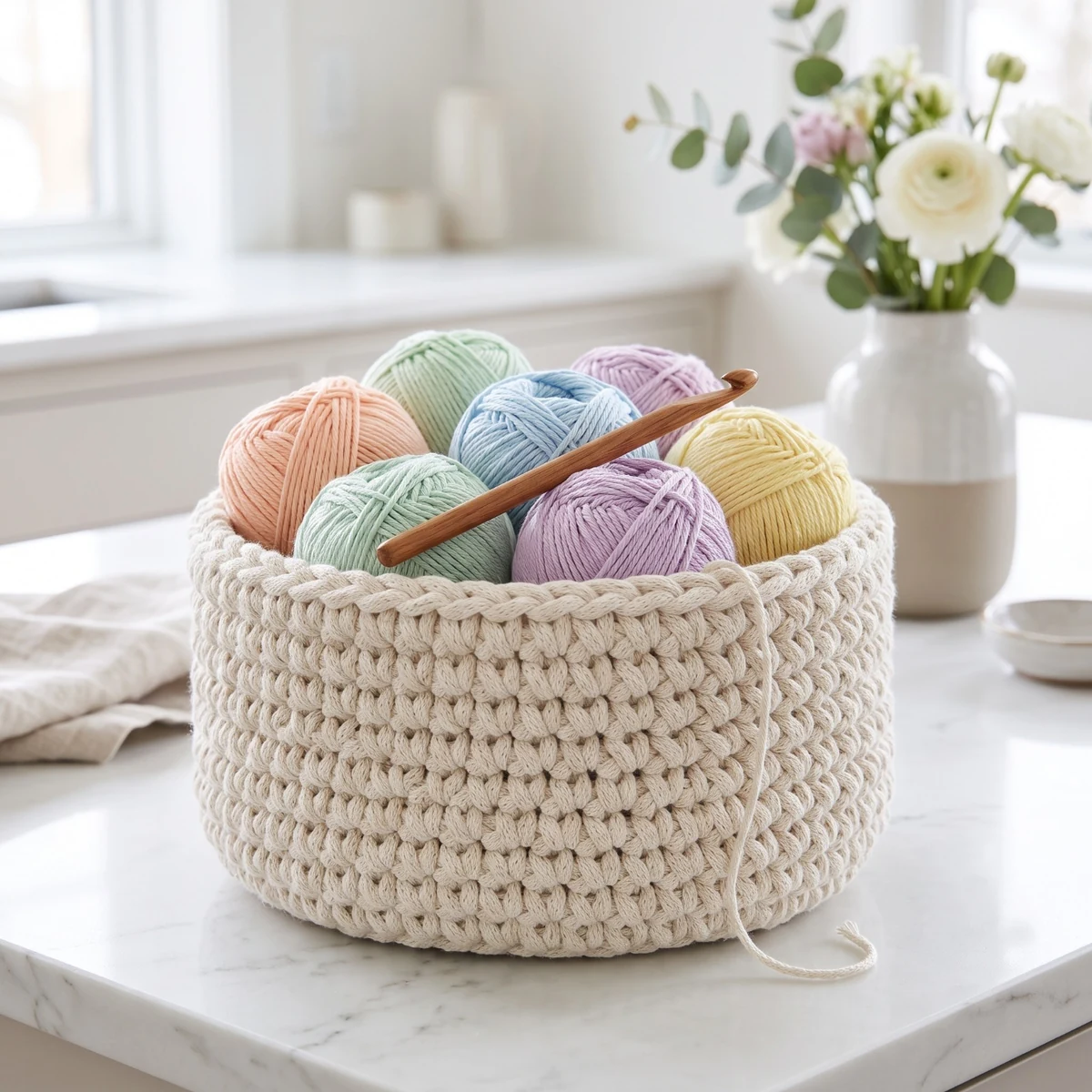
There's no single best yarn for amigurumi, because it depends on what you're making. A tiny ornament wants crisp stitches. A baby's cuddly bunny wants softness. A keychain has to survive being thrown in a bag every day.
If you just want an answer for your first project: choose a smooth, light-colored cotton or cotton blend in DK or light worsted weight. You'll be able to see your stitches, and it won't fight you. Here's how the options compare.
Cotton
Cotton gives you clean, well-defined stitches and a firm fabric that holds its shape. It doesn't pill much and it's easy to wash, which is good for anything handled often.
The downsides are that it has no stretch, so it can be tiring on the hands, and it shows uneven tension more than softer yarns do. It's a good match for ornaments, keychains and small detailed characters.
Milk cotton and cotton blends
Milk cotton, usually a blend of cotton and acrylic, is what you'll see in many amigurumi patterns. It's softer than pure cotton, with some of its clean look, and it's kinder on your hands. Many of our Christmas patterns use a DK milk cotton for this reason. If you're choosing only one yarn to stock up on, this is a good one.
Acrylic
Acrylic is cheap, comes in a huge range of colors and is easy to find. It's also soft and washes well, which is useful for big toys and practice pieces where you don't want to spend a lot.
Its stitches look a little less crisp than cotton's, and it can get fuzzy over time. Quality varies a lot between brands, so feel it before buying if you can.
Chenille and velvet yarn
This thick, plush yarn makes the softest toys and works up very quickly, which is why it's so popular for large cuddly animals and quick gifts. Our crochet car charm ideas use it for small chubby characters.
It's also the hardest of these to work with. The stitches are hard to see, so counting is difficult, and it can shed or form "worms", loops that pull out of the fabric. It's better to try it after you've made a couple of toys. Use a stitch marker on every round.
Yarns to avoid at first
- Fuzzy yarns such as mohair and eyelash. You can't see your stitches, and mistakes are nearly impossible to undo.
- Very dark colors. Black and navy are hard to read in anything less than good light. Save them for small parts.
- Thick-and-thin yarns. The uneven strand makes for lumpy, irregular toys.
- Splitty yarns. If the plies separate as you handle them, your hook will keep catching them.
What weight and hook?
The thickness of the yarn sets the size of the finished toy. The same pattern worked in a thicker yarn with a bigger hook simply comes out bigger.
- DK or light worsted: about a 2.5-3.5 mm hook. Good for small toys and ornaments.
- Worsted: about a 3.5-4.5 mm hook. Good for medium-sized toys, and easy to see.
- Chunky velvet or chenille: about a 4-5 mm hook, or whatever your pattern says. Good for large, soft toys.
These are smaller hooks than most yarn labels suggest, on purpose. Amigurumi needs tight stitches so the stuffing doesn't show. If you can see white between your stitches, drop down a hook size. The crochet hook size chart has the conversions, and our guide on how to stuff amigurumi covers the filling.
Making toys for babies and young children
Choose a yarn you can wash, and avoid anything that sheds, because loose fibers can end up in a small child's mouth. That rules out most chenille, unless you've tested it. Embroider the faces rather than using safety eyes for this age group, and check the seams regularly.
Frequently asked questions
Can I mix different yarns in one toy?
Yes, but stick to the same weight, so that the parts come out in proportion. Mixing fibers is fine for small details, although parts may wash differently.
Why does my yarn look different from the photo?
Yarn colors vary between batches and screens. If you need several balls of one color, buy them together and check the dye lot number on the label.
How much yarn do I need?
Small amigurumi use surprisingly little, often less than one small ball. Check your pattern, and weigh your leftovers: they're perfect for tiny ornaments and details.
Mini Crochet Snowman Pattern – Amigurumi with 18 Hats – Digital crochet pattern (PDF)