How to Weave In Ends in Crochet So They Stay Hidden
Most loose ends come back because they were woven in one direction. Changing direction twice fixes it. Here is the method.
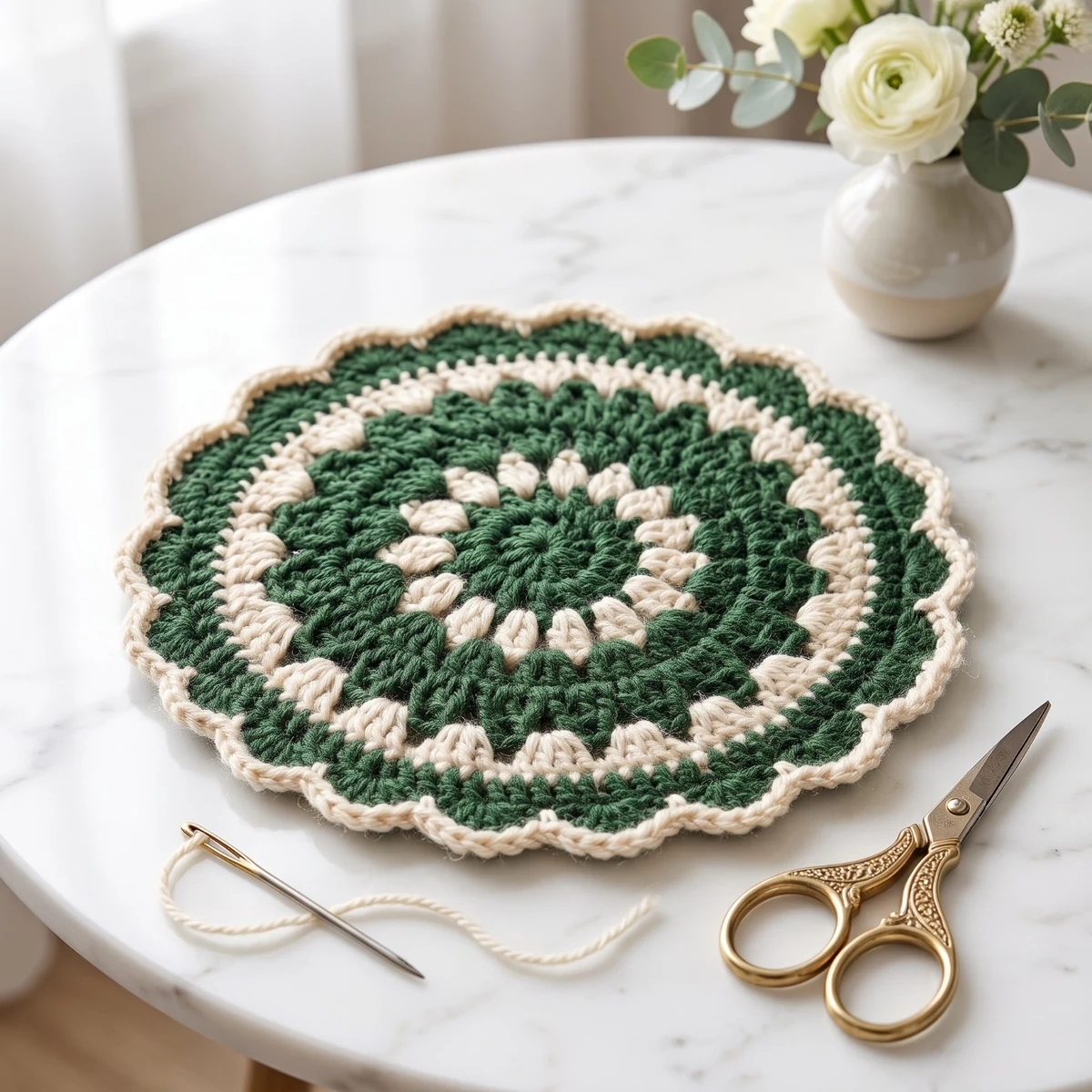
Weaving in ends is the last job on every project and the one nobody looks forward to. It's also what decides whether a blanket survives its first wash. A tail that has been run back through one line of stitches can slide out with normal use. A tail that changes direction has nowhere to go.
What you need
- A blunt tapestry needle with an eye large enough for your yarn
- Small sharp scissors
Leave at least 15 cm (6 in) of tail when you fasten off or change color. A short tail is much harder to thread, and cutting yarn too close is the most common reason ends come undone later.
The three-direction method
This works on most solid fabric, such as single, half double or double crochet.
- Thread the needle and turn your work to the wrong side, if it has one.
- Go one way. Run the needle under the stitches for about 3 cm (just over 1 in), following a row. Pull the yarn through gently.
- Reverse. Skip the very last strand and go back the opposite way through different strands of those same stitches.
- Change direction again. Go about 1-2 cm in a new direction, such as along the post of a stitch.
- Stretch the fabric slightly, then trim the tail close. Stretching lets the end pull back inside so you don't see the cut.
Slippery yarns need more care
Smooth cotton, bamboo and silk blends hold on to themselves less than wool does, so tails can work their way out. Use the same method but make each pass longer, and split the plies of the yarn with your needle on the last pass. Wool and other grippy fibers need much less, and they'll hold even better after washing.
Lace and open stitches
There's no solid fabric to hide in, so follow the path of the yarn. Run the tail along an existing strand, as though you were tracing it, so that it blends in. Do this before you block the piece, because blocking stretches the lace and shows up anything that isn't lying flat.
Amigurumi: hide it inside
Stuffed toys are the easy case.
- Thread the tail onto the needle.
- Push the needle in next to where the tail comes out, and out on the far side of the piece.
- Pull gently, snip close to the surface, and let the fabric spring back so that the end disappears inside.
For the tail at the start of a magic ring, weave it around the center first. See how to crochet a magic ring for that step, because a loose ring tends to reopen over time.
Weave in as you go
If you hate leaving a pile of ends until the last day, there are two ways to reduce them:
- Crochet over the tail. When you start a new color, lay the old tail along the top of your stitches and work over it for several stitches. It's hidden as you go. Trim whatever is left once you've finished the row.
- Weave in at the end of each session. Ten ends tonight is much better than 200 on the day you wanted to give the blanket away.
Our guide to changing colors in crochet covers joins that leave fewer ends in the first place.
Common problems
- The end pops out after washing: it was probably only woven in one direction, or trimmed too close. Pull it out and redo it with more length.
- A lump shows on the front: the tail went through too much of the same spot. Spread it across more stitches.
- The fabric puckers: the tail was pulled too tight. Stretch the fabric gently before you trim, so that the tail has some slack.
- The tail is too short to thread: push the empty needle through the stitches first, thread the tail, then pull the needle out the rest of the way.
Frequently asked questions
Can I just tie a knot?
It's better not to. Knots can make a lump, work through to the front, or come undone. Weaving is more secure and doesn't show.
Should I use glue?
There's no need for it on everyday items, and it can make a stiff patch that shows. For very slippery yarn on something decorative, a tiny dab of fabric glue on the very end of the tail is an option.
Do I weave in ends before or after blocking?
Weave in before blocking and trim afterward. That way, the tail can settle as the fabric stretches and won't pull tight.
Mini Crochet Snowman Pattern – Amigurumi with 18 Hats – Digital crochet pattern (PDF)